Our Investments

Building world-class companies from Midlands innovation

Portfolio Companies

Deep Tech

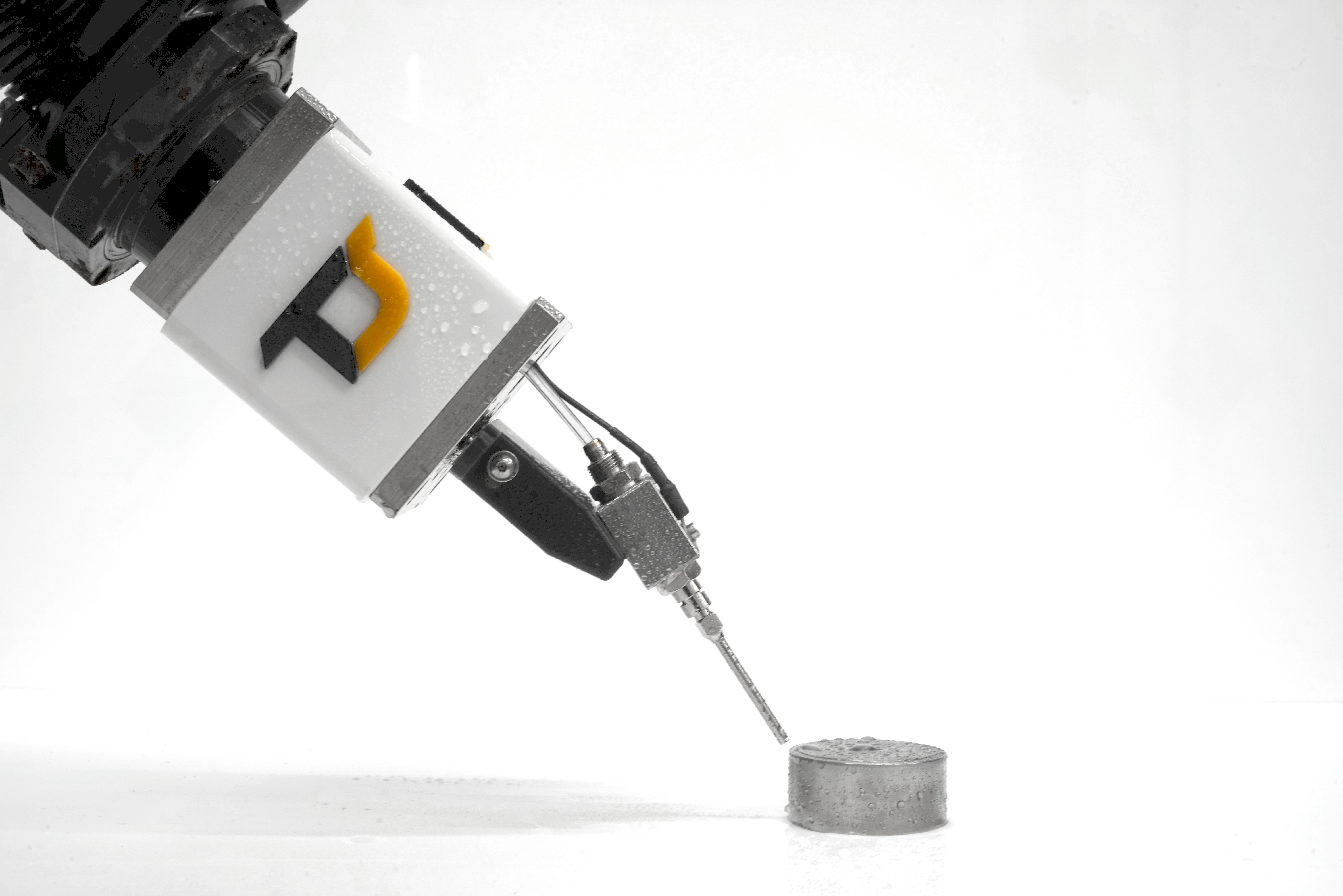
Texture Jet

Replacing toxic surface processing with electrochemical machinery.

Nottingham University of Nottingham
TextureJet's software-defined surface-processing technology is cleaner and more efficient, supporting more sustainable manufacturing. Its innovations in edge shaping, surface preparation and part marking serve high-precision component manufacture.
Healome Therapeutics
Photo by Colin Lloyd
MedTech & Life Sciences

Healome Therapeutics

Biopolymer eye drops with enhanced therapeutic capability.

Birmingham University of Birmingham
Healome are developing next-generation ophthalmic therapies using proprietary biopolymer technology that improves patient outcomes for dry eye and other ocular conditions. There is a growing ophthalmic market driven by ageing populations and demand for at-home, non-invasive therapies.
KVector
Photo by Kabiur Rahman Riyad on Unsplash
Deep Tech

KVector

Novel antenna technology for mmWave communications.
Birmingham University of Birmingham
KVector develops high efficiency and high gain communication and sensing products beyond the radiowave spectrum. This has applications in 6G communications, as well as satellites and defence. The company has two commercial pilots lined up upon spinout.
IMS Solutions
Photo by CDC on Unsplash
MedTech & Life Sciences

IMS Solutions

Steroid-fingerprint diagnostics for hard-to-diagnose hormone disorders.

Birmingham & London University of Birmingham & Imperial College London
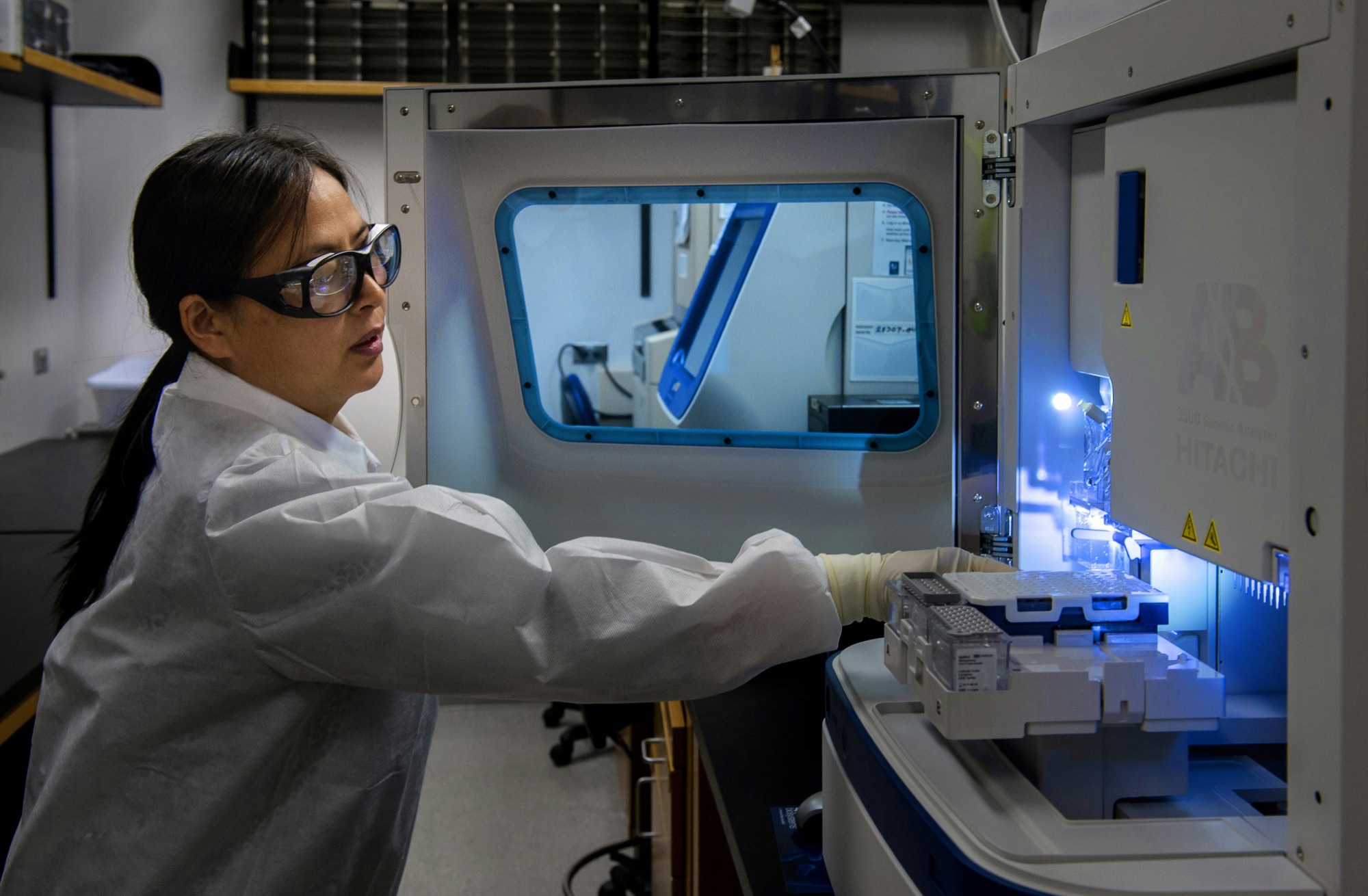
IMS Solutions are developing diagnostics using mass-spectrometry steroid-fingerprint technology that improves the speed and accuracy of diagnosis for PMOS, adrenal cancer, and other steroid-related conditions. There is significant unmet need in PMOS, affecting 10–15% of women globally, with up to 70% of them undiagnosed.
Pazul
Photo by Zhaoli JIN on Unsplash
Deep Tech / Green Tech

Pazul

Cheap, non-chemical and real-time sensors to reduce water pollution and reverse biodiversity loss.

Cranfield, Bedfordshire Cranfield University
Pazul have demonstrated the use of Molecular Imprinted Polymers to detect phosphate in real-time, have successfully piloted at three wastewater treatment plants, and are now building out a data offering.
-->